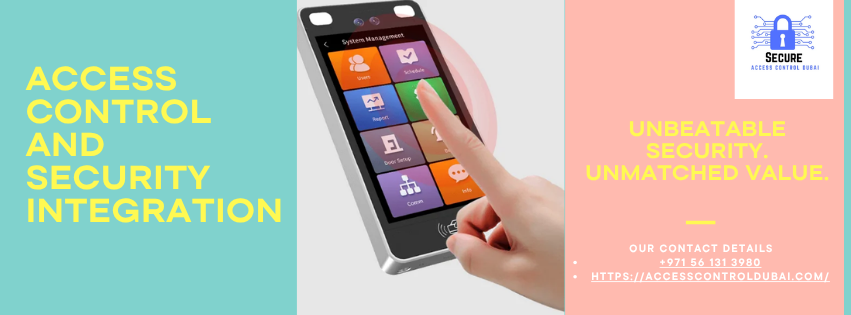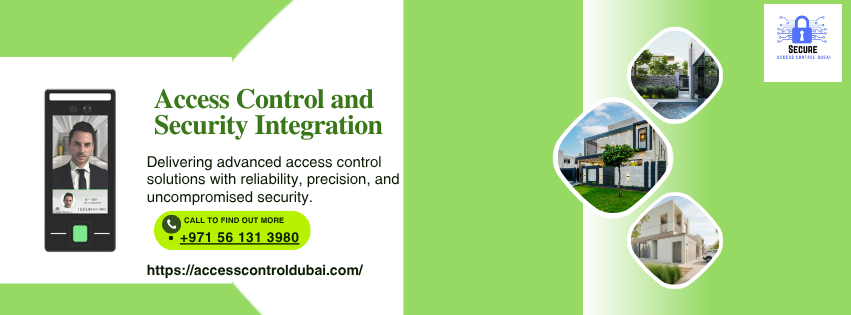
Access Control and Security Integration, A Complete Guide- Access Control and Security Integration is becoming essential for businesses that want stronger protection, better visibility, and more efficient security operations. Instead of managing access control, CCTV cameras, alarms, visitor management, and other security tools separately, an integrated approach connects these systems so they can work together. Imagine an employee entering an office using a fingerprint. The access control system verifies the employee, unlocks the door, records the entry, and can simultaneously connect that event with the relevant security camera footage. If an unauthorized person attempts to enter, the system can deny access and trigger an alert. That is the real value of Access Control and Security Integration. It turns individual security technologies into a coordinated security environment. For offices, warehouses, factories, schools, hospitals, residential buildings, hotels, and commercial properties, Access Control and Security Integration can improve security while making daily operations easier to manage.
What Is Access Control and Security Integration?
Access Control and Security Integration means connecting access control technology with other security and building management systems. A modern integrated solution can connect biometric attendance machines, fingerprint readers, face recognition devices, RFID readers, smart locks, CCTV cameras, alarm systems, visitor management software, intercoms, turnstiles, and other security technologies. The objective is simple. Create one connected security environment where different systems can share information and respond to events intelligently. For example, an employee presents their face at an access control terminal. The system checks their authorization before allowing entry. At the same time, the associated CCTV camera can capture the event. The access event can then be stored in centralized software for security monitoring and reporting. This creates a much clearer security trail than relying on disconnected systems.
Why Is Access Control and Security Integration Important?
Traditional security systems often operate independently. A company may have one system for door access, another for CCTV, another for attendance, and another for alarms. The problem appears when security teams need to investigate an incident. They may have to check several systems separately to understand what happened. Access Control and Security Integration reduces this complexity by connecting important security events. Security teams can see who attempted to enter, which door was involved, whether access was granted, and what happened around that time. This creates better situational awareness. It also helps organizations respond faster when something unusual happens.
Connect Access Control With CCTV
One of the most valuable applications of Access Control and Security Integration is connecting access control with video surveillance. Consider a warehouse where an employee enters a restricted storage area. The access control system records the employee’s credentials. The integrated CCTV system can associate the access event with video footage from the relevant camera. Security personnel can then investigate the event without manually searching through hours of recordings. This combination can be particularly useful for sensitive areas such as server rooms, cash handling areas, laboratories, executive offices, and restricted storage rooms.
Integrate Biometric Access Control
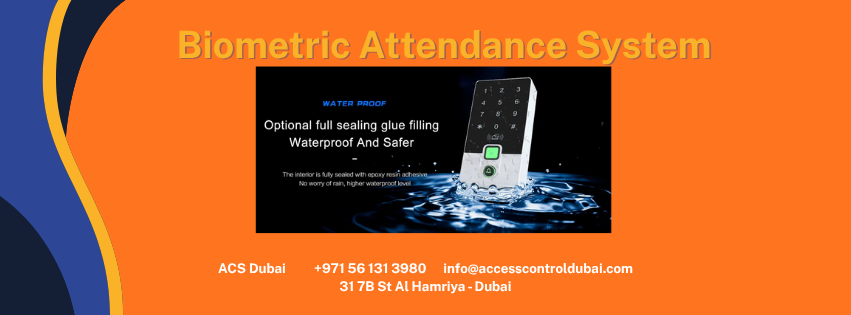
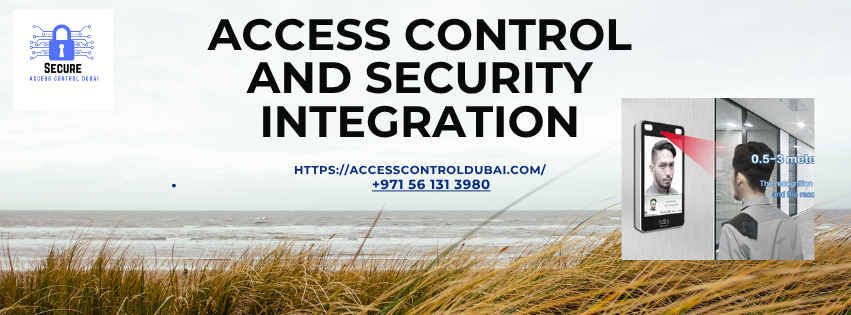
ABM Innovative FZE Biometric technology adds another layer of identity verification. Fingerprint recognition, facial recognition, palm recognition, and other biometric technologies can help organizations verify users based on unique physical characteristics. Biometric attendance and access control system allows biometric devices to communicate with centralized security software. For example, an employee can use facial recognition to enter an office. The system verifies the identity and checks the employee’s access permissions. The entry event can then be recorded for security and attendance purposes. This can reduce dependency on physical cards and help organizations manage access more efficiently.
Combine Access Control with Attendance Management
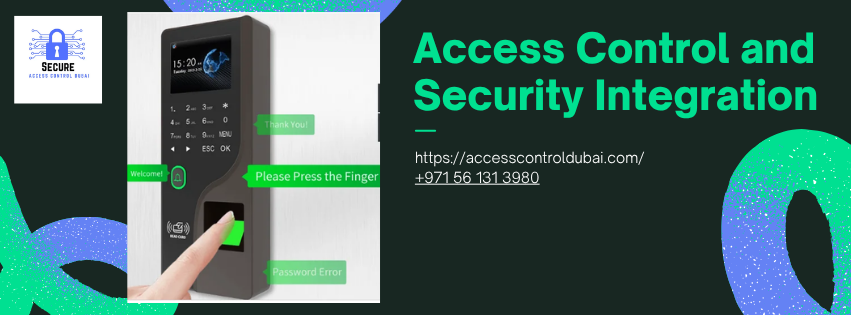
Access control and attendance management are closely connected. Employees already use an access point when entering or leaving many workplaces. Why collect the same information twice? With biometric access control and attendance, access events can potentially support attendance tracking when the solution is designed and configured for that purpose. For example, an employee enters at 8:57 AM using a fingerprint. The system records the access event and can transfer the relevant attendance information to centralized workforce software. Managers can then review attendance records without relying entirely on manual processes. This can be particularly useful for organizations with large workforces.
Integrate Security Alarms
Alarm integration can make an access control solution more responsive. Suppose someone attempts to access a restricted room several times using an unauthorized credential. The access control system can generate an event. An integrated security platform can then notify security personnel or trigger a predefined response depending on the system configuration. This creates a relationship between access events and security responses. Instead of treating every system as a separate island, Access Control and Security Integration allows security technologies to operate as part of a coordinated environment.
Improve Visitor Management
Visitors are an important part of building security. A modern visitor management system can register guests, verify information, issue temporary credentials, and control access to approved areas. When visitor management is integrated with access control, temporary access can be managed more effectively. For example, a contractor may be authorized to enter a specific building between 9 AM and 5 PM. The system can apply the appropriate access permissions according to the organization’s security policy. Once the authorization period ends, access can be removed or restricted. This helps reduce the risk associated with forgotten visitor credentials.
Strengthen Restricted Area Security
Not every employee should have access to every part of a building. Server rooms, financial departments, laboratories, executive areas, warehouses, and equipment rooms may require additional protection. biometric access control and attendance allows organizations to establish different access permissions for different users. A general employee may access the main office. A system administrator may access the server room. A facilities manager may access mechanical areas. Security personnel may have broader permissions. This approach follows the principle that users should only receive the access required for their responsibilities.
Create Centralized Security Monitoring
Managing multiple security systems from different interfaces can become complicated. Centralized management provides security teams with a clearer operational picture. Depending on the solution, administrators can manage users, permissions, access events, devices, alerts, and reports from centralized software. This can reduce administrative effort and make security monitoring more organized. For organizations with multiple buildings, centralized management can be even more valuable. A security administrator may be able to monitor access activity across different locations from one platform.
Improve Incident Investigation
When a security incident occurs, time matters. A disconnected system can make investigation slow because security personnel need to collect information from different sources. Access control attendance machine can create a more complete event history. For example, imagine that an unauthorized person enters a restricted area at 11:42 PM. Security personnel can review the access event and identify the credential used. They can then examine the relevant CCTV footage around the same time. They can also review associated alarms or security events. This creates a chronological picture of the incident. The result is faster investigation and better documentation.
Automate Security Responses
Automation is another major advantage of Access Control and Security Integration. Different events can be configured to produce different responses. For example, an unauthorized access attempt could generate an alert. A door forced open event could trigger a security notification. An access attempt outside approved working hours could be flagged for review. A fire alarm event could interact with connected Fingerprint Dubai access systems according to the building’s emergency configuration and applicable safety requirements. Automation reduces the need for security personnel to monitor every individual event manually.
Protect Multiple Buildings From One Platform
Large companies often operate from multiple offices, warehouses, branches, or facilities. Managing separate access control systems at every location can create unnecessary complexity. Access control attendance machine can provide centralized management across multiple sites when the architecture and network infrastructure support it. Administrators can manage users and permissions according to organizational requirements. Security teams can monitor events across locations. Management can receive consolidated reports. This can make expansion easier because additional sites can be incorporated into the overall security architecture.
Use Role Based Access Control
A strong access control attendance supplier UAE strategy should include clear access policies. Role based access control is one practical method. Instead of manually configuring every employee individually, organizations can create access roles. For example, an administrator role may have access to server areas. A finance role may have access to finance departments. A warehouse role may have access to warehouse zones. A visitor role may have temporary and restricted access. When an employee changes departments, their permissions can be updated according to the new role. This can reduce administrative errors and improve access governance.
Improve Security with Real Time Alerts
Security teams cannot watch every door every second. Real time alerts help bring important events to their attention. Access Control and Security Integration can support alerts for events such as unauthorized access attempts, forced doors, unusual access activity, or access to restricted areas. The exact alert capabilities depend on the hardware and software being used. When properly configured, alerts can help security personnel prioritize events that require immediate attention.
Choose the Right Access Control and Security Integration Solution
Choosing a security integration solution requires more than looking at the price of an access control device. Organizations should evaluate the entire security ecosystem. Start by identifying the systems that need to communicate. Consider access control devices, CCTV cameras, biometric terminals, alarm systems, visitor management, attendance software, intercoms, and other relevant platforms. Then evaluate compatibility. A system may have impressive features but still create problems if it cannot integrate effectively with the organization’s existing infrastructure. Scalability is equally important. A small business may initially need only a few doors. As the organization grows, it may require dozens or hundreds of access points. The selected access control attendance supplier UAE architecture should support future expansion.
Consider Cloud Based Security Integration
Cloud based security management has become increasingly relevant for organizations that need remote access to security information. Depending on the platform, administrators may be able to manage users, review events, monitor multiple locations, and access reports remotely. This can be useful for companies with distributed operations. However, organizations should evaluate cybersecurity, data protection, network reliability, user permissions, backup strategies, and vendor policies before selecting a cloud based platform. Cloud integration should strengthen security rather than simply move existing security processes online.

Think About Cybersecurity
Physical security and cybersecurity are increasingly connected. An access control system is no longer simply a door reader and a lock. Modern systems can connect to networks, servers, cloud platforms, mobile applications, databases, and other technologies. That means Biometric attendance SIRA compliance cybersecurity should be part of every office access control and attendance project. Organizations should use strong authentication, appropriate user permissions, secure network configurations, software updates, access logging, and appropriate data protection practices. Security teams should also review who can administer the system. A powerful security platform is only as secure as the people, processes, and technology protecting it.
Plan the Integration before Installation
Successful Access Control and Security Integration starts with planning. Begin by mapping the property. Identify entrances, exits, restricted areas, employee areas, visitor zones, emergency routes, server rooms, warehouses, and other sensitive locations. Then identify the security technologies already installed. Next, determine which systems should communicate with each other. Finally, define the expected security workflows. For example, what should happen when someone attempts unauthorized access? What should happen when a door is forced? Who receives the alert? How long should event information be retained? Answering these questions before installation can prevent expensive changes later.
Train Security and Administrative Teams
Technology cannot replace proper training. Security personnel should understand how the integrated system works. Administrators should know how to create users, modify permissions, review events, generate reports, and respond to alerts. Employees should also understand basic access policies. Training becomes particularly important when organizations introduce biometric access control, mobile credentials, visitor management, or centralized security software. A well designed system can still underperform if users do not understand how to operate it correctly.
Measure the Performance of Your Security Integration
After implementation, organizations should evaluate whether the system is delivering measurable improvements. Useful performance indicators can include unauthorized access attempts, response times, access violations, system availability, incident investigation time, and administrative workload. The goal is not simply to install more technology. The goal is to create a security environment that is easier to manage, harder to bypass, and faster to respond. Regular reviews can reveal where access permissions, hardware, software, or operational procedures need improvement.
Access Control and Security Integration for Dubai Businesses
Businesses in Dubai operate across offices, warehouses, retail locations, commercial buildings, construction sites, hospitality properties, and industrial facilities. Each environment can have different security requirements. A corporate office may prioritize employee access and visitor management. A warehouse may require stronger protection for storage zones. A hotel may need controlled access for employees, guests, and service areas. An industrial facility may require strict access policies for operational areas. Office access control and attendance allows organizations to build security around their actual operational requirements instead of relying on a single security product. The best solution depends on the building layout, number of users, number of doors, security risks, existing systems, operational requirements, and future expansion plans.
Common Mistakes to Avoid
One common mistake is choosing hardware before defining the security requirements. Another mistake is installing systems that cannot communicate effectively with each other. Organizations should also avoid giving excessive access permissions simply because configuring them manually is inconvenient. Poor password management and weak administrator controls can create cybersecurity risks. Ignoring future expansion can also make a system expensive to upgrade later. Finally, organizations should not assume that buying advanced technology automatically creates strong security. Technology, policies, configuration, monitoring, and employee awareness must work together. Modern businesses rely heavily on access control and security integration to protect their physical assets and digital networks simultaneously. Without access control and security integration, companies leave dangerous gaps in their overall safety infrastructure. Imagine a high tech facility where keycard readers, surveillance cameras, and alarm systems work together as one unified brain. This modern approach eliminates isolated security silos and brings complete clarity to your monitoring efforts.
Top Reasons Why Access Control and Security Integration Is Crucial
Real Time Threat Detection and Automated Responses- Access control and security integration connects door sensors directly with video surveillance feeds. When an unauthorized person swipes a badge, the system immediately pulls up live camera footage for security teams. This seamless access control and security integration allows guards to spot intruders instantly. Automated locks engage while alarms sound off automatically across the entire campus.
Streamlined Operations and Centralized Management- Managing multiple standalone systems creates massive operational bottlenecks and human error.
Through access control and security integration, administrators control every entry point from a single dashboard. Adding or removing employee credentials takes seconds instead of hours across multiple databases. This level of access control and security integration reduces administrative overhead significantly.
Enhanced Audit Trails and Forensic Investigation- Investigating security breaches becomes simple when event logs are combined into one single timeline. Access control and security integration pairs specific door entry timestamps directly with corresponding video clips. Investigators can track an individual moving through a facility step by step without sorting through endless footage. High quality access control and security integration ensures full accountability for compliance audits.
Cost Efficiency and Scalability– Upgrading existing infrastructure through access control and security integration costs far less than replacing individual systems. Unified systems consume fewer server resources and lower routine maintenance expense over time. As your business grows, access control and security integration allows new sites to be added effortlessly. Investing early in access control and security integration delivers long term return on investment.
Reduced False Alarms and Faster Emergency Response– False alarms drain valuable emergency response resources and create dangerous security fatigue among personnel. With proper access control and security integration, secondary sensors verify threats before triggering full building evacuations. First responders gain direct access to live building maps during high stress emergency situations. This intelligent access control and security integration saves precious minutes during real world crises.
FAQs About Access Control and Security Integration
Q: What is Access Control and Security Integration?
A: Access Control and Security Integration is the process of connecting access control technology with other security and management systems so they can exchange information and work together. These systems may include CCTV, biometric devices, alarms, visitor management, attendance software, intercoms, and other security technologies.
Q: Why is Access Control and Security Integration important?
A: It can improve visibility, simplify security management, support faster incident investigation, and create coordinated responses to security events. It can also reduce the need to operate several disconnected systems independently.
Q: Can access control integrate with CCTV?
A: Yes, depending on the hardware and software platforms involved. An integrated system can associate access events with relevant video information, helping security personnel investigate incidents more efficiently.
Q: Can biometric attendance systems integrate with access control?
A: Yes, many modern biometric platforms support access control and attendance functions. However, compatibility depends on the specific devices, software, communication protocols, and integration capabilities.
Q: Is Access Control and Security Integration suitable for small businesses?
A: Yes. Small businesses can start with a basic solution and expand it as their security requirements grow. The key is selecting an architecture that supports future expansion.
Q: Can Access Control and Security Integration support multiple locations?
A: Yes, many enterprise platforms are designed to manage multiple buildings and locations from centralized software. The available capabilities depend on the selected platform and network architecture.
Q: Is cloud based Access Control and Security Integration secure?
A: Cloud based security can provide strong security when properly designed and managed. Organizations should evaluate authentication, encryption, permissions, network security, data protection, backup procedures, and vendor security practices before deployment.
Q: How much does Access Control and Security Integration cost?
A: There is no single fixed price. Cost depends on the number of doors, biometric devices, controllers, cameras, software licenses, cabling, networking, installation requirements, integration complexity, and ongoing support. A professional assessment is the best way to determine the actual project cost.
Q: What industries benefit from Access Control and Security Integration?
A: Offices, schools, hospitals, hotels, warehouses, factories, retail businesses, residential communities, financial organizations, government facilities, and many other organizations can benefit from integrated security. The required configuration will vary according to the organization’s security risks and operational needs.
Conclusion
Access Control and Security Integration is no longer simply about controlling who can open a door. It is about connecting identity verification, physical access, video surveillance, alarms, attendance, visitor management, and security monitoring into a coordinated security environment. When these systems work together, organizations can gain better visibility into what is happening across their facilities. They can manage permissions more efficiently, investigate incidents faster, and respond to security events with greater consistency. The most effective strategy is not to buy the most complicated technology. It is to design an Access Control and Security Integration solution around the organization’s actual security requirements. With careful planning, compatible technology, strong access policies, cybersecurity controls, proper training, and ongoing monitoring, integrated security can become a powerful foundation for protecting people, property, information, and business operations.